Production AI agents
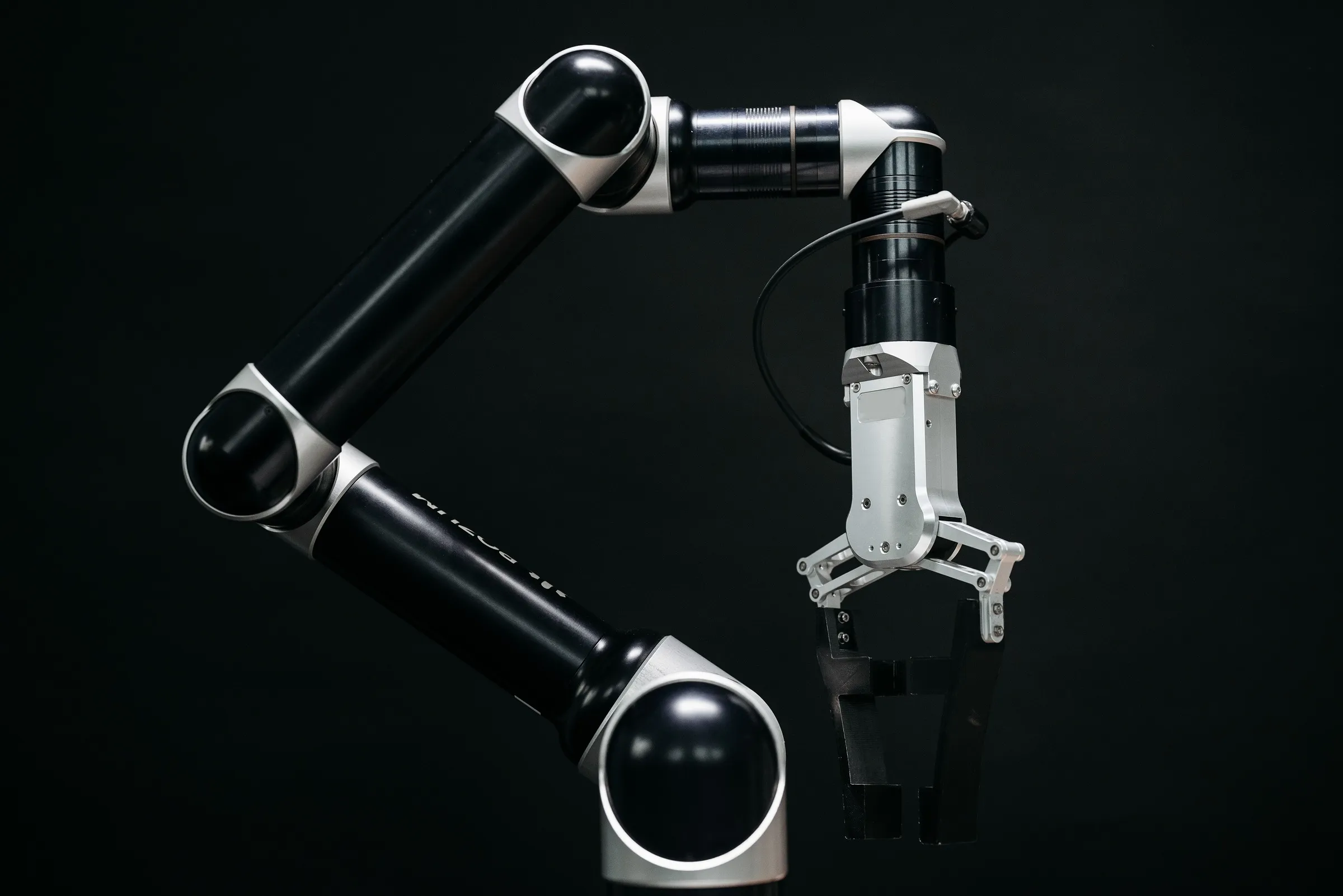
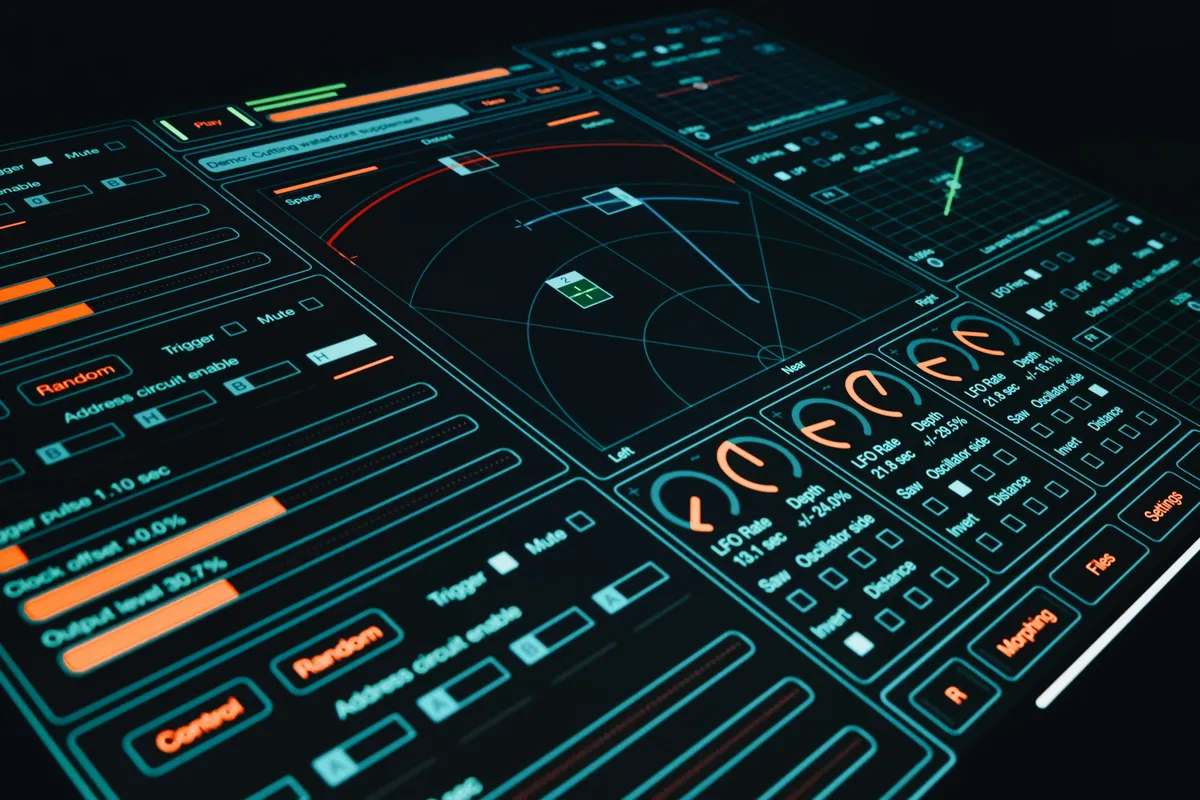
Agents built with the Claude Agent SDK that do the actual work of the workflow (extraction, decisioning, orchestration, exception handling), deployed to live traffic with monitoring and alerting from day one of cutover.
The Lighthouse Deployment · Fixed Scope, Quoted on Application
Quoted on application, ninety days
One consequential workflow in production
S.01 · The Direct Answer
The Lighthouse Deployment is Nugawi's fixed-scope production build: quoted on application, ninety days, one consequential workflow in production. An embedded pod ships agents, integrations and an evaluation harness against written acceptance criteria, and your team owns everything at handover. For lighter Claude-built apps, the companion route Claude App to Production takes a first pilot live in about three weeks; the 90-day build is reserved for consequential workflows that need the full harness.
A fixed-scope engagement where Nugawi takes one measured workflow from your Discovery Sprint baseline to live production in 90 days. Production means real traffic, eval-gated changes, monitoring and governance, not a demo. The scope is fixed before you commit, the price never moves, and the code, prompts, evals and infrastructure are yours from day one.
S.02 · Deliverables
Everything a production AI workflow needs to run for real, and everything your team needs to own it afterwards.
Agents built with the Claude Agent SDK that do the actual work of the workflow (extraction, decisioning, orchestration, exception handling), deployed to live traffic with monitoring and alerting from day one of cutover.
Model Context Protocol integrations to the systems the workflow touches: ERP, CRM, document stores, email, internal APIs. The integration layer is documented and reusable for the workflows that follow.
A test suite for the workflow: golden cases, regression sets and quality gates wired into the release path. Changes ship when the evals pass, not when the demo looks good. The harness ships with the build.
Access controls, audit trails, human-in-the-loop checkpoints where stakes demand them, and EU AI Act-aligned documentation. Built in during the build, not bolted on after an incident.
The workflow was baselined in the Discovery Sprint: volumes, cycle times, cost per transaction. At handover we re-measure against day zero, so the business case is checked with production data, not estimates.
Source code, prompts, evaluation suites, infrastructure as code, runbooks and operator training. Your team can run, extend or replace any part of it. No lock-in is a design constraint, not a promise.
S.03 · The 90 Days
A transparent arc from locked scope to a production workflow your team owns.
Acceptance criteria signed, architecture confirmed, AWS environment and repos stood up, integrations mapped. Fixed scope means this box is agreed before heavy building starts.
The pod builds agents, MCP integrations and the human-in-the-loop points, shipping weekly against demo milestones your team can actually touch. The eval harness grows with the build.
The workflow runs in shadow mode against live data: exceptions tuned, quality gates calibrated, failure paths rehearsed. Nothing cuts over until the evals say it is ready.
Live traffic, monitoring and alerting on, runbooks delivered, your operators trained. The final readout re-measures the workflow against the sprint baseline, the number your board funded.
S.04 · Why Fixed Scope
The Discovery Sprint finds and ranks the opportunity. The Lighthouse Deployment takes it to production. A Forward Deployed Engineer retainer scales what works, and the pricing structure is the same for everyone.
Open-ended builds grow to fit the budget and "almost live" becomes a status quo. A fixed price against written acceptance criteria forces the scope to be real before day one, and makes delivery the provider's problem, not yours.
One consequential workflow, done properly: agents, integrations, evals, governance, handover. Ninety days is what that actually takes. Anything shorter is a demo; anything longer is a programme.
The first production workflow proves the economics, leaves reusable integration and evaluation infrastructure behind, and trains your team. The second workflow starts from a standing start, that is the compounding part.
S.05 · FAQ
Common questions about the Lighthouse Deployment.
Nugawi's fixed-scope 90-day production build. An embedded pod takes one consequential operational workflow from the Discovery Sprint baseline to live production: agents, integrations, evaluation harness, governance guardrails and handover, for a fixed price quoted on application depending on scope. It is called a Lighthouse Deployment because it is built to light the way for the workflows that follow.
The Discovery Sprint (fixed fee, two weeks) is the standard entry point because it baselines the workflow and scopes the build from measured economics. If your candidate workflow is already obvious and measured, a compressed baseline runs inside the first two weeks of the build instead. The rule stays the same either way: we only commit to a fixed scope we can deliver against written acceptance criteria.
Fixed scope, scoped from the sprint findings and quoted before you commit. Model tokens, AWS infrastructure and third-party licences are passed through at cost, no markup. Scope changes are re-quoted, never absorbed silently. Engagement structure: https://nugawi.ai/pricing.
Live traffic, not a demo. The workflow runs in production with monitoring and alerting, changes are gated by an evaluation harness rather than by opinion, human-in-the-loop points are designed in where the stakes demand them, and the outcome is re-measured against the day-zero baseline from the sprint. A build only counts when your operations team can run it without us.
Everything: source code, prompts and agent definitions, evaluation suites, infrastructure as code, runbooks and documentation. Nugawi does not hold your workflow hostage: the deliverable is a production system your team can operate, extend or hand to anyone else. Most clients continue with a Forward Deployed Engineer retainer for the next workflows; none are required to.
Agents are built with the Claude Agent SDK and the Model Context Protocol, deployed on AWS with Amazon Bedrock for UK/EU data residency, model-independent by design. Governance includes EU AI Act-aligned documentation, access controls and audit trails. See https://nugawi.ai/claude-agent-sdk for the full engineering approach.
Your team owns everything from the first commit: code, prompts, evaluation suites and infrastructure are yours throughout the build, not only at the end. If you would rather we operate the agents, Nugawi offers managed EU hosting or a documented, rehearsed handover to your IT team, mirroring the two routes of the Claude App to Production service. Either way, the runbooks, monitoring and monthly review cadence ship with the build.
S.06 · Run and Monitor
Go-live is where the operational loop starts, not where the engagement ends. Every Lighthouse Deployment ships with the loop built in: monitoring and alerting, eval-gated changes, incident response with named owners and rehearsed runbooks, and a monthly review against the written acceptance criteria.
Running around the clock is affordable by design: at modern cached-input prices (for example, Sol prices cached input at $0.10 per million tokens), an agent that runs continuously costs cents, not consultancy fees. Always-on is a line item, not a decision. The monthly review keeps the workflow honest: metrics against the acceptance criteria, exceptions triaged, the next change queued only when the evals pass. Who runs the loop is your call: your operators from the first commit, managed EU hosting from Nugawi, or a documented, rehearsed handover to your IT team. That loop is what separates a production system from a very good demo.
S.07 · Start
Ninety days.
One workflow, one fixed price, one production system your team owns. Talk to a Deployment Strategist about scoping your first Lighthouse Deployment.